Not sure which flooring type is right for your home? Here’s a straightforward breakdown of the most common options so you can walk into your estimate with confidence.
LVP vs Hardwood Flooring
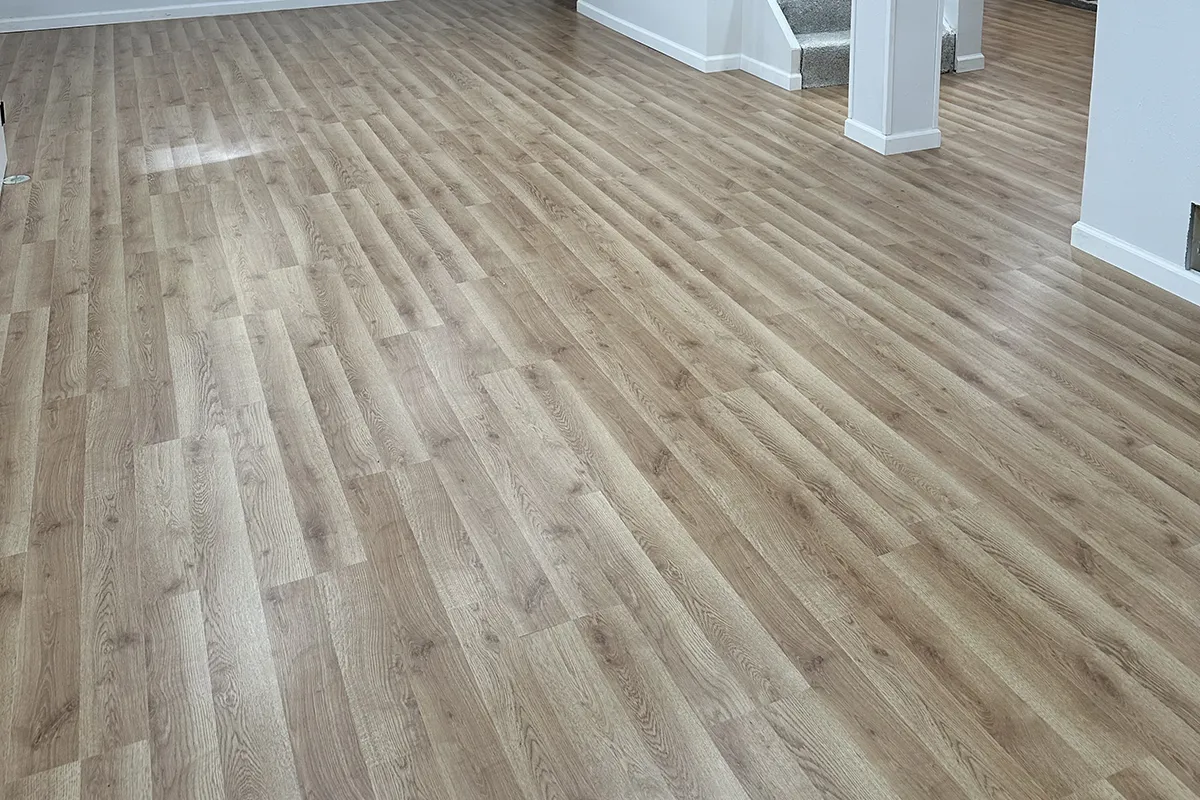
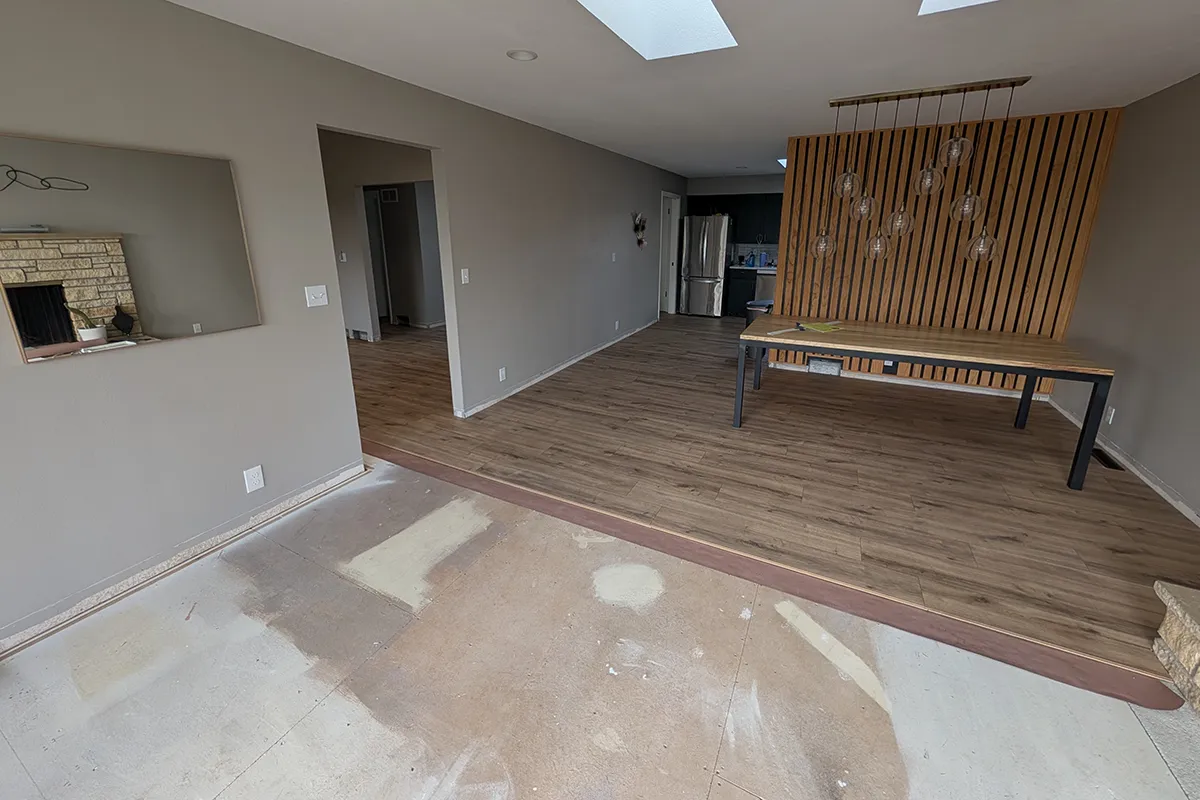
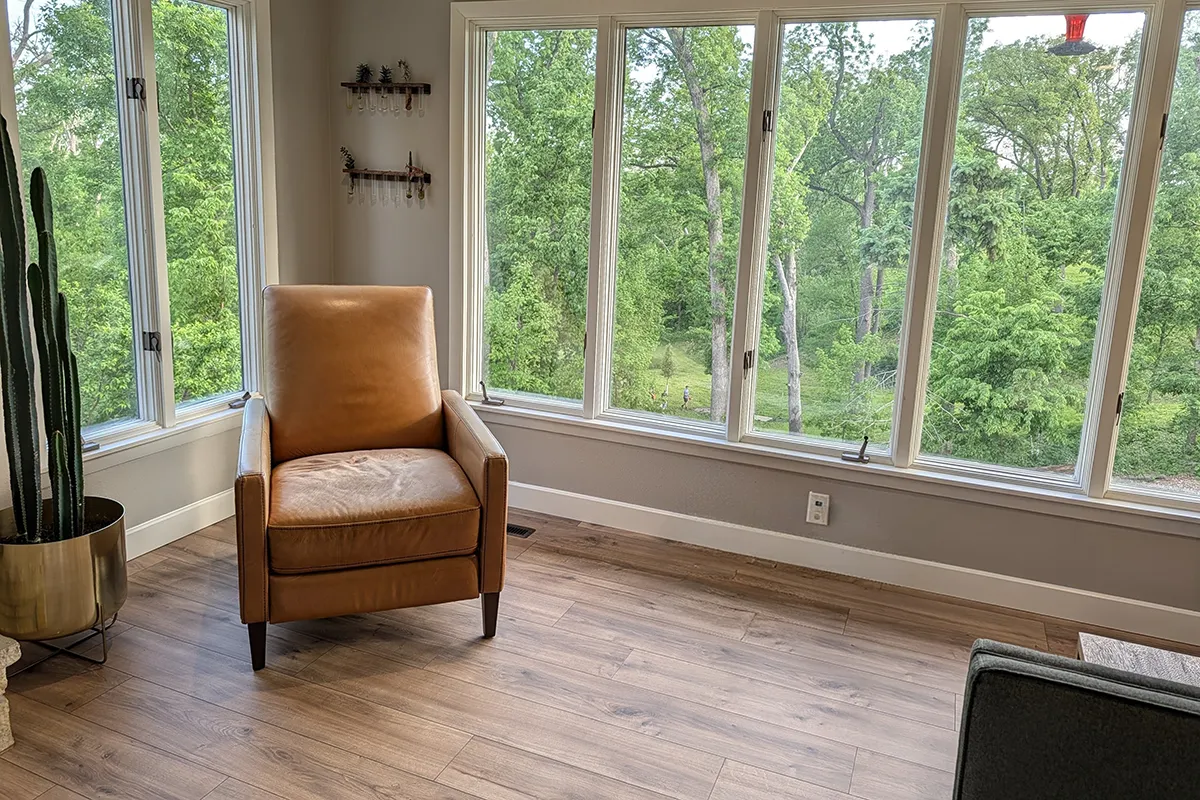
Luxury vinyl plank is waterproof, scratch-resistant, softer underfoot, and significantly more budget-friendly than solid hardwood. It’s an excellent choice for kitchens, basements, bathrooms, and homes with pets or young kids.
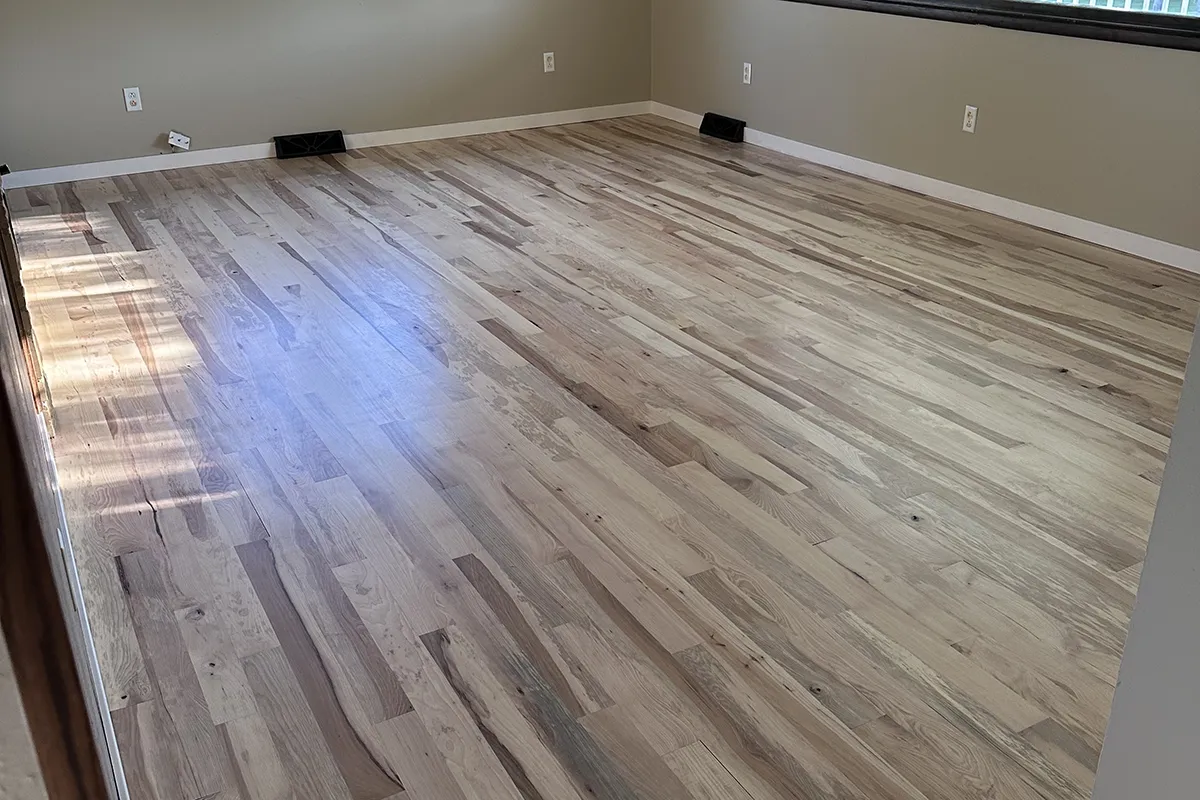
Solid hardwood is a natural material that adds warmth, character, and long-term resale value to a home. It can be sanded and refinished multiple times over its lifetime — making it a genuine investment. It’s best suited for living rooms, dining rooms, and bedrooms where moisture exposure is low.
Bottom line: If durability, water resistance, and budget are priorities — LVP. If you want a natural material that can be restored and adds lasting value — hardwood.
LVP vs Laminate Flooring
Both are synthetic, affordable, and available in wood-look styles — but they’re not the same product.
LVP is 100% waterproof, making it safe for moisture-prone areas like kitchens, bathrooms, and basements. It’s also softer and quieter underfoot.
Laminate has a wood fiber core that can swell or warp if exposed to standing water. It’s better suited for living rooms, bedrooms, and hallways where moisture isn’t a concern. It tends to be slightly more affordable than LVP.
Bottom line: In any room where moisture is possible — choose LVP. For dry living spaces on a tighter budget — laminate is a solid option.
Hardwood vs Engineered Hardwood
Both look virtually identical once installed — the difference is in the construction and where they can be used.
Solid hardwood is milled from a single piece of wood. It’s the most traditional option and can be refinished many times, but it’s sensitive to humidity and moisture and isn’t recommended for basements or below-grade spaces.
Engineered hardwood has a real wood veneer on top with a stable plywood core underneath. It handles humidity and temperature fluctuations better than solid hardwood, making it a smart choice for basements, spaces over radiant heat, and areas where solid hardwood isn’t practical.
Bottom line: For above-grade rooms with stable conditions — solid hardwood is a timeless choice. For basements, over radiant heat, or humid spaces — engineered hardwood performs better.
Refinish vs Replace Your Hardwood Floors
If you already have hardwood floors, you may not need to replace them at all.
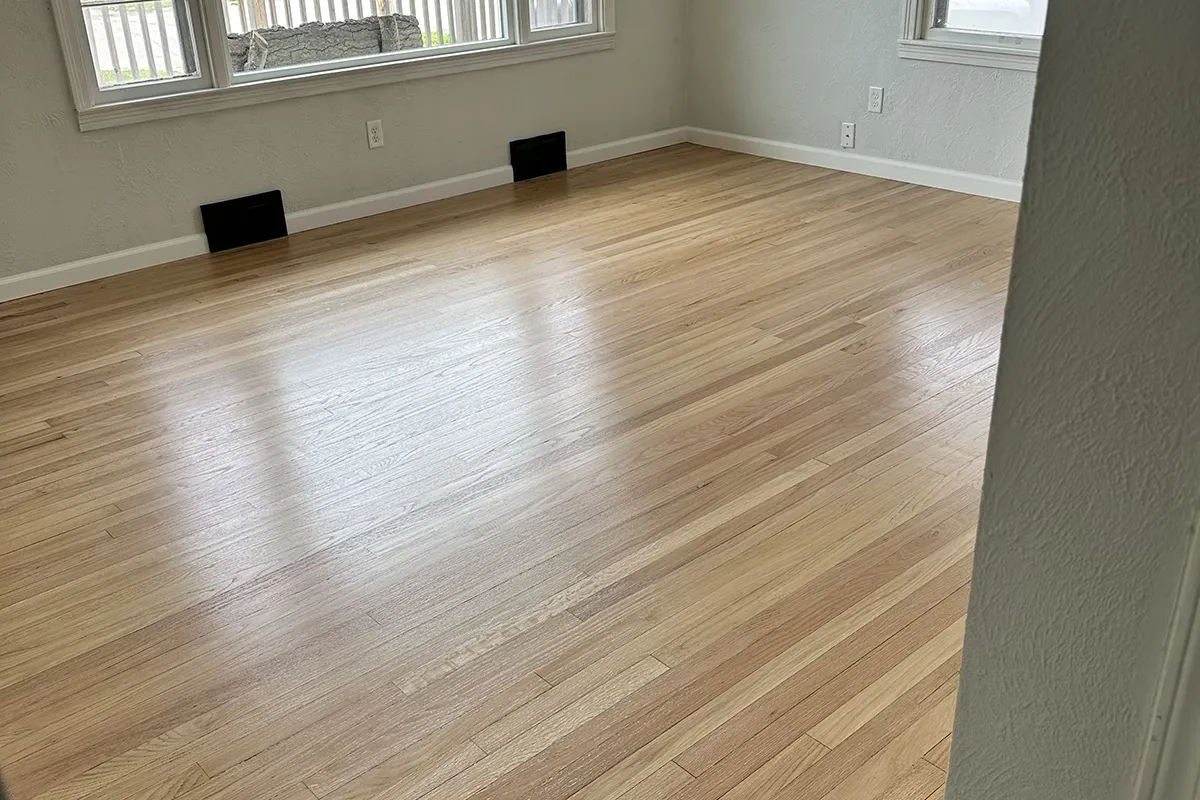
Refinishing involves sanding down the existing surface, applying a new stain or finish, and restoring the floor to like-new condition. It’s significantly more affordable than replacement and is a great option when the wood itself is structurally sound but looks worn, scratched, or outdated.
Replacement makes more sense when the hardwood is beyond refinishing — severely damaged boards, significant water damage, floors that have been sanded too many times, or simply a style change that requires starting fresh.
Bottom line: Not sure which option your floors need? We’ll assess them during your free estimate and give you an honest recommendation — even if that recommendation is to refinish rather than replace.
Is Tile Right for Your Space?
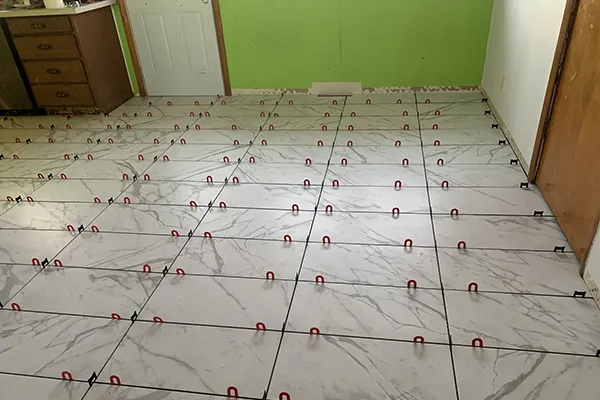
Tile is one of the most durable and water-resistant flooring options available — but it’s not the right choice for every room.
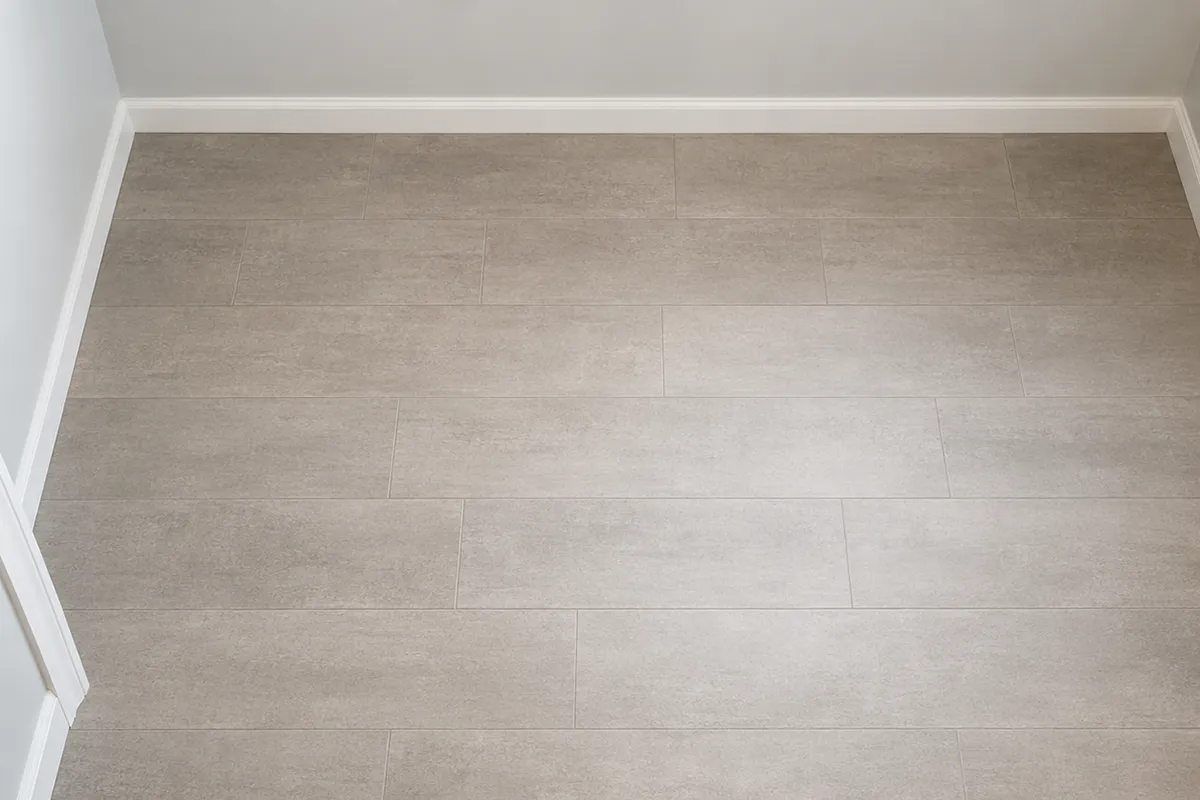
Tile excels in bathrooms, kitchens, entryways, laundry rooms, and mudrooms where water exposure and heavy foot traffic are everyday realities. It’s cool underfoot, easy to clean, and virtually impervious to moisture when properly installed.
For living rooms and bedrooms, most homeowners prefer the warmth and comfort of wood-look flooring like LVP or hardwood. That said, large-format tile in a modern style can work beautifully in open-plan living spaces.
Bottom line: For wet or high-traffic utility spaces — tile is hard to beat. For living and sleeping areas — wood-look flooring typically feels more comfortable and inviting.
Not Sure What’s Right for Your Home?
That’s exactly what the estimate is for. We’ll look at your space, talk through how the room gets used, discuss your budget and design goals, and help you make a confident decision before any work begins.